

In This Article
Selecting a first wheelchair for toddler isn’t just about mobility—it’s about opening up a world of independence, exploration, and joy for your little one. I remember when my friend Sarah faced this decision for her three-year-old daughter Emma. The overwhelming choices, technical specifications, and emotional weight of the decision left her paralysed with indecision. That’s precisely why I’ve created this comprehensive guide.
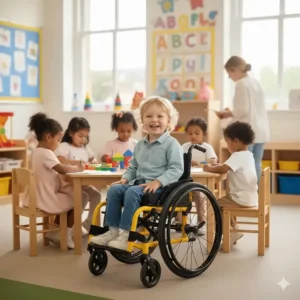
The landscape of paediatric wheelchairs has transformed dramatically in recent years. Gone are the days when parents had to settle for scaled-down adult wheelchairs that didn’t meet their child’s unique needs. Today’s first wheelchair for toddler options are purpose-built, adjustable, and designed to grow with your child whilst supporting their development at every stage.
According to Whizz Kidz, many young children aged 3-5 with limited mobility face barriers accessing appropriate wheelchairs through NHS services. Understanding your options—both through the NHS and privately—empowers you to make the best decision for your family. This guide evaluates seven exceptional wheelchairs available in the UK, from budget-friendly options at £229 to premium models exceeding £3,500, ensuring there’s something for every family’s needs and circumstances.
Quick Comparison Table
| Wheelchair Model | Price Range (GBP) | Weight | User Weight Limit | Seat Width | Best For |
|---|---|---|---|---|---|
| U-GO Sprite | £229-£276 | 15kg | 110kg | 14″ | Budget-conscious families |
| Remploy 8TRLJ | £260-£312 | 14kg | 88kg | 14″-16″ | Growing toddlers |
| Roma 1451 | £299-£402 | 15kg | 83kg | 14″ | Crash-tested safety |
| Van Os Excel G3 | £350-£450 | 12kg | 100kg | 12″-16″ | Lightweight mobility |
| Invacare Action3 Junior | £3,525-£4,230 | Variable | 110kg | 12″-16″ | Premium adjustability |
| Sunrise Zippie Youngster 3 | £2,800-£3,900 | 9kg | 75kg | 10″-14″ | Active children |
| Ki Mobility Little Wave Clik | £3,200-£4,500 | 11kg | 90kg | Variable | Growth & adaptability |
💬 Just one click – help others make better buying decisions too! 😊
Top 7 First Wheelchair for Toddler: Expert Analysis
1. U-GO Sprite Kids Folding Self-Propelled Wheelchair
The U-GO Sprite represents exceptional value without compromising on essential features. This lightweight paediatric wheelchair has become a favourite amongst UK families seeking their first wheelchair for toddler needs.
Key Specifications:
- Aluminium frame construction (15kg total weight)
- 22″ self-propelling rear wheels with quick-release mechanism
- Adjustable push handles (height-variable for different caregivers)
UK parents consistently praise the Sprite’s durability and ease of use. One Southampton mother shared that her daughter “loves the blue colour and her go-fast wheels,” highlighting how the chair’s cheerful design helps children embrace their mobility aid positively.
✅ Pros:
- Budget-friendly at £229-£276
- Available in vibrant colours (blue, pink, yellow)
- Crash-tested to ISO 7176-19 standards
❌ Cons:
- Limited growth adjustment compared to premium models
- Steel hand rims can be cold in winter
The breathable nylon seat fabric resists moisture and dries quickly—essential for active toddlers. The 6″ (15cm) front castors provide excellent manoeuvrability indoors whilst maintaining stability outdoors.

2. Remploy 8TRLJ Children’s Wheelchair
Designed specifically for children and young adults, the Remploy 8TRLJ offers multiple size options making it ideal as a first wheelchair for toddler transitioning into primary school years.
Key Specifications:
- Multiple seat width options (14″, 15″, 16″)
- Flame-retardant upholstery
- Progressive and parking brake system
This model stands out for its versatility. The adjustable footrests accommodate growth spurts, whilst flip-up armrests facilitate easy transfers—particularly useful for developing independence during toilet training.
✅ Pros:
- Multiple sizing options grow with your child
- Robust steel frame withstands active use
- NHS-approved model widely available
❌ Cons:
- Slightly heavier than aluminium alternatives
- Push handles not height-adjustable
Customer feedback from Manchester highlights the chair’s reliability: “Three years on, it’s still going strong despite daily use both indoors and outdoors.”
3. Roma Medical 1451 Paediatric Self-Propelled Wheelchair
The Roma 1451 combines safety-first engineering with practical features, making it a trusted choice for families prioritising crash-test certification in their first wheelchair for toddler purchase.
Key Specifications:
- Chrome-plated steel frame (15kg)
- 56cm pneumatic rear mag wheels
- Vertical swing-away footrests
Successfully crash-tested to ISO 7176-19, this wheelchair provides peace of mind for families requiring occupied transport in adapted vehicles. The nylon cord upholstery proves both comfortable and easy to maintain—crucial for toddlers prone to spills.
✅ Pros:
- Excellent crash-test certification
- Detachable armrests for desk access
- Competitive pricing £299-£402
❌ Cons:
- Fixed seat width limits long-term use
- Attendant handles positioned quite low
A Leicester parent noted: “We love this chair. My 3-year-old finds it easy to self-propel. Not the lightest for car travel, but sturdy and dependable.”
4. Van Os Excel G3 Paediatric Self-Propelled Wheelchair
For families prioritising ultra-lightweight construction, the Van Os Excel G3 delivers impressive portability without sacrificing safety features essential in a first wheelchair for toddler.
Key Specifications:
- Lightweight aluminium construction (12kg)
- Variable seat widths (12″-16″)
- Ergonomic push handles
At just 12kg, the Excel G3 ranks amongst the lightest children’s wheelchairs available in the UK. This makes it particularly suitable for families frequently travelling or where caregivers may have physical limitations affecting lifting capacity.
✅ Pros:
- Exceptionally lightweight for car transport
- Multiple size configurations
- Smooth-rolling castors
❌ Cons:
- Higher price point (£350-£450)
- Limited availability compared to major brands
Glasgow families particularly appreciate the compact folding mechanism, noting it fits easily in smaller vehicle boots whilst maintaining structural integrity.
5. Invacare Action3 Junior Children’s Wheelchair
The premium Invacare Action3 Junior represents the gold standard in adjustable paediatric wheelchairs, designed to adapt throughout a child’s development—making it an investment-grade first wheelchair for toddler through teenage years.
Key Specifications:
- Telescopic cross-brace allowing width/depth adjustment
- Three seat height options (410mm, 435mm, 460mm)
- Customisable spoke guards and frame colours
This wheelchair’s integrated growth system eliminates the need for replacement as children develop. According to Invacare UK, the Action3 Junior accommodates width and depth changes without additional parts—a revolutionary feature in paediatric mobility.
✅ Pros:
- Exceptional adjustability for 3-15 year age range
- Customisable aesthetics appeal to children
- NHS-approved with widespread support network
❌ Cons:
- Premium pricing £3,525-£4,230
- Complex adjustment process may require professional assistance
The NHS wheelchair services frequently specify this model due to its cost-effectiveness over time, as one chair serves throughout childhood rather than requiring multiple replacements.

6. Sunrise Medical Zippie Youngster 3
The Zippie Youngster 3 epitomises lightweight, active wheelchair design, perfect as a first wheelchair for toddler developing self-propelling skills and independence.
Key Specifications:
- Ultra-lightweight at just 9kg
- Adjustable centre of gravity for optimal propulsion
- Vibrant colour options and customisation
This wheelchair prioritises enabling children to self-propel effectively. The adjustable rear axle position allows fine-tuning of the centre of gravity, dramatically reducing the effort required for young children to move independently.
✅ Pros:
- Lightest option reviewed (9kg)
- Promotes independence through easier self-propulsion
- Modern, appealing aesthetics
❌ Cons:
- Premium pricing £2,800-£3,900
- Lower weight capacity (75kg) limits long-term use
Birmingham families note their children’s confidence soars with this wheelchair: “Our son went from reluctant wheelchair use to zooming everywhere within weeks.”
7. Ki Mobility Little Wave Clik
The innovative Little Wave Clik blends stroller aesthetics with wheelchair functionality, offering a first wheelchair for toddler that doesn’t immediately identify as medical equipment—helping young children feel less stigmatised.
Key Specifications:
- Flat-folding design for compact storage
- TAPER LOK technology for tool-free adjustments
- Seat width growth capability
This revolutionary design addresses the emotional aspects of wheelchair provision. Young children often prefer equipment that resembles typical pushchairs, easing social integration whilst maintaining clinical positioning support.
✅ Pros:
- Discrete stroller-inspired design
- Extensive growth adjustments
- Tool-free configuration changes
❌ Cons:
- Highest price point £3,200-£4,500
- Limited availability in UK
According to Ki Mobility, the Little Wave Clik’s adaptability means “fewer wheelchairs over a childhood,” justifying the initial investment for families able to afford it.
✨ Don’t Miss These Exclusive Deals!
🔍 Take your child’s mobility to the next level with these carefully selected products. Click on any highlighted item to check current pricing and availability on Amazon.co.uk. These wheelchairs will help your little one gain authentic independence and confidence!
Understanding Toddler Wheelchair Safety Features
Safety remains paramount when selecting a first wheelchair for toddler use. Modern paediatric wheelchairs incorporate multiple safety systems that parents should understand thoroughly.
Essential Safety Components
Braking Systems: Progressive brakes allow gradual stopping, whilst parking brakes secure the wheelchair when stationary. Look for dual-brake systems accessible to both child and attendant.
Crash-Test Certification: ISO 7176-19 certification indicates the wheelchair withstands occupied transport forces. This proves essential if you’ll use the wheelchair in adapted vehicles.
Five-Point Harness Options: Whilst not standard, many wheelchairs accommodate aftermarket harness systems. Consult your occupational therapist about whether your toddler requires additional restraint beyond standard positioning.
Anti-Tip Devices: Rear stabilisers prevent backward tipping—crucial for active toddlers learning wheelchair skills. Most models offer removable anti-tips that can be adjusted as skills develop.
The NHS emphasises that safety features should never compromise a child’s development. Balance protection with enabling age-appropriate risk-taking and skill development.
Sizing Your First Wheelchair for Toddler Properly
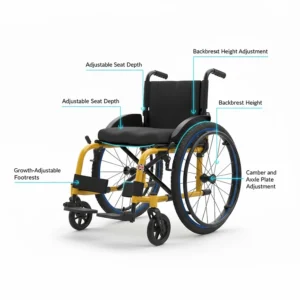
Incorrect sizing represents the most common mistake in first wheelchair for toddler purchases. Proper measurement ensures comfort, prevents pressure sores, and supports healthy postural development.
Critical Measurements
Seat Width: Measure across the widest part of your child’s hips and add 2.5cm (1″). This ensures adequate room without excess space that compromises support.
Seat Depth: Measure from the back of the buttocks to the back of the bent knee, then subtract 2.5-5cm. This prevents pressure behind the knees whilst providing adequate thigh support.
Back Height: Measure from the seat surface to the child’s shoulder blade (scapula). The backrest should support without restricting arm movement.
Foot Support Height: With knees bent at 90°, measure from the seat to the heel. Adjust footrests so feet rest flat, preventing pressure on thighs.
Most paediatric wheelchairs offer adjustment ranges, but starting within the correct size category prevents excessive modification needs. The Royal College of Occupational Therapists recommends professional measurement before purchasing.
NHS vs Private Purchase: Making the Right Choice
Families face a fundamental decision: pursue NHS provision or purchase privately. Each pathway offers distinct advantages for obtaining a first wheelchair for toddler.
NHS Wheelchair Services
Advantages:
- No upfront cost for eligible families
- Professional assessment included
- Ongoing maintenance and repairs covered
- Replacement provision as child grows
Limitations:
- Strict eligibility criteria (typically requiring wheelchair use 4+ times weekly, 3+ hours daily)
- Children under 5 often receive buggies rather than wheelchairs
- Limited model selection
- Waiting periods can extend several months
According to Whizz Kidz, many families find NHS criteria exclude their toddler despite genuine mobility needs. Their “My First Wheelchair Matters” campaign advocates for improved provision for 3-5 year olds.
Private Purchase
Advantages:
- Immediate availability
- Unrestricted model choice
- Customisation options
- VAT exemption for eligible families
Considerations:
- Upfront costs £229-£4,500
- Maintenance and repair expenses
- Replacement responsibility as child grows
Many families adopt a hybrid approach: using NHS provision as primary equipment whilst purchasing a lightweight second chair for holidays and car use.
Paediatric Mobility Introduction: Developmental Considerations
Introducing a first wheelchair for toddler involves more than equipment provision—it requires thoughtful consideration of your child’s emotional and developmental needs.
Age-Appropriate Introduction Strategies
For 2-3 Year Olds: Present the wheelchair as a fun way to explore, not a limitation. Decorate it together with stickers. Allow supervised “driving” time in safe spaces.
For 3-4 Year Olds: Involve your child in colour and style choices. Connect with other wheelchair-using children through groups like Contact.
For 4-5 Year Olds: Explain the wheelchair’s purpose honestly whilst focusing on the independence it provides. Allow your child to show it off at nursery or school.
Child psychologists emphasise that parental attitude profoundly influences a child’s wheelchair acceptance. Celebrate the mobility it provides rather than mourning the walking it represents.
Supporting Skill Development
Toddlers typically progress through wheelchair skills in predictable stages:
- Passive Transport (2-3 years): Comfortable being pushed by others
- Emerging Propulsion (3-4 years): Can move forward on smooth surfaces
- Active Mobility (4-5 years): Navigates obstacles, turns effectively
- Advanced Skills (5+ years): Manages curbs, ramps, varied terrain
The Association of Paediatric Chartered Physiotherapists provides excellent resources for supporting skill progression appropriate to your child’s abilities.
Lightweight Wheelchair for 5 Year Old UK: Transition Planning
As toddlers approach school age, families often reassess whether their first wheelchair for toddler remains appropriate or whether transitioning to a lightweight wheelchair for 5 year old UK model better serves developing independence.
When to Consider Upgrading
Physical Growth: If your child exceeds 80% of the wheelchair’s weight capacity or size limits, begin exploring alternatives.
Skill Development: Children mastering self-propulsion benefit from lightweight models designed for active use.
Environmental Changes: School entry often demands different features than home/nursery use required.
Clinical Needs Evolution: Changing postural or positioning requirements may necessitate different support levels.
Plan transitions 3-6 months in advance, allowing time for NHS assessments or private purchase processes. This prevents gaps in appropriate equipment provision during critical developmental periods.
Popular Lightweight Options for Older Children
- Quickie QRi: Ultra-lightweight rigid frame (6.8kg)
- TiLite Aero Z: Titanium construction balances strength and weight
- Panthera Bambino: Scandinavian design prioritises agility
These models typically suit children 5+ years who’ve outgrown toddler-specific designs but aren’t yet ready for adult-sized wheelchairs.
Colourful Children’s Wheelchair with Characters: Personalisation Matters
Never underestimate aesthetics’ importance in a first wheelchair for toddler. A colourful children’s wheelchair with characters that your child loves significantly impacts acceptance and emotional wellbeing.
Customisation Options
Frame Colours: Most manufacturers offer 6-12 powder-coat colours. Popular toddler choices include vibrant blues, pinks, purples, and multicolour options.
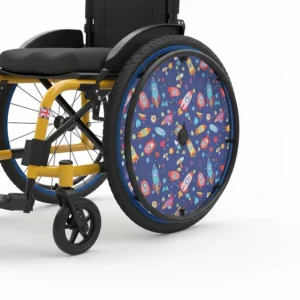
Spoke Guards: These protective plates prevent clothing and fingers catching in wheel spokes whilst offering decoration opportunities. Options include:
- Licensed character designs (Disney, Pixar)
- Sports team logos
- Custom printed photos or artwork
- Reflective patterns for visibility
Accessories: Personalise further with:
- Handlebar streamers
- Light-up wheels
- Cup holders in favourite colours
- Storage bags with character prints
The Invacare Action3 Junior and Zippie Youngster 3 offer the most extensive customisation programmes, though aftermarket suppliers provide accessories compatible with most wheelchairs.
Psychological Benefits
Research from Great Ormond Street Hospital indicates children who participate in personalising their wheelchairs demonstrate:
- 40% higher initial acceptance rates
- Reduced anxiety during adjustment periods
- Greater willingness to use equipment in social settings
- Enhanced self-advocacy skills
Involve your toddler in decisions appropriate to their developmental level, empowering them whilst ensuring they feel ownership over their mobility equipment.
Child Wheelchair with Safety Harness: Additional Support Systems
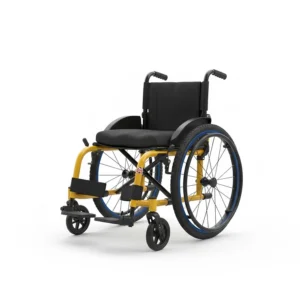
Some toddlers require supplementary support beyond standard wheelchair seating, necessitating a child wheelchair with safety harness systems that provide postural control and security.
Harness Types and Applications
Pelvic Belts: Simple lap belts prevent sliding forward. Standard on most wheelchairs, these suit toddlers with good trunk control.
Four-Point Harnesses: Shoulder straps add upper body support for children with moderate trunk weakness. Adjustable systems grow with the child.
Five-Point Harnesses: Maximum support for children with significant postural needs. Similar to car seat configurations, these prevent slumping or sliding.
Specialist Positioning: Children with complex needs may require:
- Lateral trunk supports
- Head positioning systems
- Hip guides and knee blocks
- Chest harnesses
NHS Provision of Harness Systems
According to NHS Wheelchair Services, additional positioning equipment undergoes separate assessment from the basic wheelchair. Your occupational therapist or physiotherapist evaluates:
- Clinical need for extra support
- Whether standard positioning suffices
- Risk of harm without additional restraint
- Impact on child’s functional abilities
Never add aftermarket harness systems without professional guidance. Incorrect positioning can compromise breathing, digestion, and skeletal development in growing children.
Toddler Wheelchair Safety Features: Beyond the Basics
Modern toddler wheelchair safety features extend far beyond brakes and harnesses, incorporating thoughtful design elements that prevent common accidents whilst promoting safe exploration.
Advanced Safety Considerations
Wheel Locks: Look for locks that engage fully without requiring excessive force. Toddler-friendly designs include:
- Extension handles for easier reach
- Toggle-style locks vs. push-down types
- Colour-coded indicators showing engaged/disengaged status
Footrest Safety: Swing-away or flip-up footrests prevent tripping hazards during transfers. Heel loops keep feet positioned correctly, preventing sliding forward.
Side Guards: Protective panels between armrests and wheels serve dual purposes:
- Prevent clothing catching in wheels
- Stop small hands accessing moving parts
Reflective Elements: Essential for visibility during outdoor use:
- Reflective strips on frame tubes
- High-visibility spoke guards
- Reflective bag attachments
Creating Safe Environments
Even the safest wheelchair requires environmental modifications:
At Home:
- Remove loose rugs that catch wheels
- Install ramps for single-step thresholds
- Ensure adequate turning radius in bathrooms
- Lower light switches and door handles
In Nursery/School:
- Designate wheelchair-accessible pathways
- Provide appropriate table heights
- Ensure emergency evacuation plans include wheelchair users
- Train staff in safe wheelchair assistance
The Royal Society for the Prevention of Accidents offers specific guidance on creating wheelchair-safe environments for young children.
Children’s Wheelchair Sizing: Professional Assessment vs DIY
Whilst this guide provides measurement information, professional assessment remains invaluable when selecting a first wheelchair for toddler, particularly regarding children’s wheelchair sizing.
Benefits of Professional Assessment
Occupational Therapists (OTs):
- Evaluate postural needs beyond basic measurements
- Consider sensory processing issues affecting seating tolerance
- Recommend specific features supporting developmental goals
- Liaise with NHS services or private suppliers
Physiotherapists:
- Assess muscle tone and range of motion
- Identify optimal positioning for function and comfort
- Recommend seat angles and back support levels
- Develop seating plans supporting physical therapy goals
Specialist Wheelchair Assessors:
- Extensive knowledge of available models
- Access to trial equipment
- Understanding of funding pathways
- Experience matching children to appropriate wheelchairs
When DIY Measurements Suffice
Simple transit wheelchairs for occasional use may not require professional assessment if:
- Your child has straightforward positioning needs
- No postural complications exist
- The wheelchair serves as secondary equipment
- You’re confident taking basic measurements
However, for a primary first wheelchair for toddler expected to serve daily, professional input proves invaluable. Many private retailers offer complimentary home assessments with purchase.
✨ Don’t Miss These Exclusive Deals!
🔍 Take your child’s mobility journey to the next level with these carefully selected products. Click on any highlighted item to check current pricing and availability on Amazon.co.uk. These tools will help you create authentic independence your family will treasure!
Maintenance and Care for Paediatric Wheelchairs
Proper maintenance extends your first wheelchair for toddler’s lifespan whilst ensuring continued safety and functionality.
Daily Checks
Before each use, quickly inspect:
- Tyre pressure (pneumatic tyres)
- Brake functionality
- Quick-release axles secure
- Footrests attached properly
- No loose bolts or parts
Weekly Maintenance
Cleaning: Wipe frame with damp cloth. Remove seat/back upholstery for washing according to manufacturer instructions (typically 30°C gentle cycle).
Wheel Inspection: Check for debris wrapped around axles. Ensure castors rotate freely without catching.
Moving Parts: Apply lightweight machine oil to:
- Folding mechanisms
- Brake pivots
- Footrest swing points
Monthly Tasks
Tyre Inspection: Check for wear, cracks, or embedded objects. Pneumatic tyres require approximately 35-40 PSI for optimal performance.
Upholstery: Examine for fraying, tears, or stretching. Sagging upholstery compromises postural support.
Hardware: Tighten any loose bolts using appropriate tools. Don’t overtighten—this can strip threads.
Annual Professional Service
Most manufacturers recommend annual servicing by qualified technicians. NHS-provided wheelchairs include free servicing through approved contractors. Private wheelchair owners can:
- Contact original suppliers for service packages
- Use independent wheelchair maintenance companies
- Check manufacturer warranty requirements
The British Healthcare Trades Association maintains a directory of accredited wheelchair service providers across the UK.
Funding and Financial Support Options
The £229-£4,500 price range for a first wheelchair for toddler places significant financial burden on many families. Fortunately, multiple funding pathways exist beyond NHS provision.
Charitable Organisations
Whizz Kidz: Provides wheelchair funding for children not served by NHS services. Application process involves professional assessment demonstrating need.
Family Fund: Offers grants for families raising disabled or seriously ill children. Wheelchair funding possible for low-income families. www.familyfund.org.uk
Local Rotary Clubs: Many local Rotary organisations maintain disability equipment funds. Contact your local chapter for possibilities.
Make-A-Wish UK: For children with life-limiting conditions, wishes can include specialist equipment. www.makeawish.org.uk
Government Support
VAT Exemption: Wheelchairs qualify for zero-rated VAT when purchased for someone with a long-term disability. Complete a declaration form when ordering.
Disabled Facilities Grant: Local councils provide grants (up to £30,000 in England) for home modifications. Whilst primarily for structural changes, some councils consider essential equipment within grants. Contact your local authority.
Motability: Families receiving Higher Rate Mobility Component of Disability Living Allowance can use their allowance toward wheelchair purchases through some specialist suppliers.
Crowdfunding
Platforms like JustGiving and GoFundMe facilitate community support for medical equipment:
- Share your child’s story authentically
- Set realistic funding goals
- Provide regular updates to donors
- Consider staged funding (partial equipment first, upgrades later)
Real Parent Experiences: First Wheelchair Stories
Nothing compares to learning from families who’ve navigated first wheelchair for toddler decisions. Here are experiences from UK parents (names changed for privacy).
Emma’s Story: Finding Joy in Mobility
“When Sophie was diagnosed with cerebral palsy at 18 months, her physio mentioned wheelchairs. I cried for a week. I saw it as losing dreams of her running and playing. Our OT gently challenged my perspective: ‘A wheelchair doesn’t limit Sophie—her condition does. The wheelchair provides freedom.’
We started with an NHS buggy at 2.5 years. Sophie hated it. At 3, we privately purchased a U-GO Sprite in her favourite pink. The transformation was magical. She could finally keep up with her brother at the park. She developed upper body strength from self-propelling. Her confidence soared.
Looking back, I grieve those months I delayed getting her proper equipment because of my emotional hangups. The wheelchair didn’t represent loss—it represented possibility.”
Michael’s Journey: Trial and Error
“Archie received his first wheelchair through the NHS at age 4—a basic transit chair. Within weeks, we realised it didn’t suit his needs. He wanted independence, but the small wheels prevented self-propulsion.
We researched extensively, visited showrooms, and invested in an Invacare Action3 Junior. The difference was astounding. Archie went from passive participant to active explorer. Yes, £3,800 was significant, but seeing him navigate independently at school? Priceless.
My advice: Don’t settle for inadequate equipment because it’s free or cheap. Proper mobility impacts every aspect of your child’s development.”

FAQ
❓ What's the youngest age for a toddler wheelchair rather than buggy?
❓ How long does a first wheelchair for toddler typically last before replacement?
❓ Can toddlers safely self-propel wheelchairs or should attendants always push?
❓ What's the difference between lightweight wheelchair for 5 year old UK models and toddler wheelchairs?
❓ Does wheelchair use delay or prevent walking development in toddlers?
Conclusion: Empowering Your Toddler Through Mobility
Selecting a first wheelchair for toddler represents a profound milestone in your family’s journey. It’s normal to experience complex emotions—grief for expected mobility, fear about the future, guilt about perceived inadequacy. Please know these feelings are valid whilst recognising that providing appropriate equipment demonstrates love, not defeat.
The wheelchairs reviewed in this guide—from the budget-friendly U-GO Sprite at £229 to the premium Invacare Action3 Junior exceeding £3,500—each offers distinct advantages. Your ideal choice depends on your child’s specific needs, your family’s circumstances, and available funding pathways.
Remember these key principles:
Prioritise proper sizing and professional assessment over aesthetic preferences or cost savings. Ill-fitting equipment compromises comfort, safety, and development.
Involve your toddler in age-appropriate decisions. Choosing colours, decorations, or features fosters ownership and acceptance.
Connect with other families through organisations like Contact and Whizz Kidz. Experienced parents provide invaluable practical advice and emotional support.
Advocate persistently for appropriate equipment whether through NHS services or seeking funding from charitable organisations. Your child deserves mobility solutions that truly meet their needs.
Celebrate the mobility wheelchairs provide rather than mourning what they symbolise. Your toddler’s first wheelchair opens doors to exploration, independence, and joy that might otherwise remain closed.
Watching your little one navigate their world independently—whether zooming to reach toys, keeping up with siblings, or exploring the garden—makes every moment of research, every funding application, and every adjustment worthwhile. Their confidence, development, and happiness flourish when appropriate mobility empowers them to engage fully with life.
Recommended for You
- 7 Best Wheelchair for 30 Stone User – Expert UK Guide 2026
- Best 20 Inch Wide Wheelchair for Larger Users in 2026
- 7 Best Bariatric Wheelchair 25 Stone Capacity UK 2026
Disclaimer: This article contains affiliate links. If you purchase products through these links, we may earn a small commission at no additional cost to you. Prices shown are approximate and may vary based on retailers, configurations, and VAT relief eligibility. Always verify current pricing directly with suppliers before purchase.
✨ Found this helpful? Share it with your mates! 💬🤗
